
Newborn hygiene isn’t about making your baby “extra clean”—it’s about keeping delicate skin and tiny body parts safe, comfortable, and infection-free while you learn what’s normal. This checklist-style guide covers what many pediatricians routinely recommend for everyday care of nails, ears, nose, and skin, plus common myths you may hear in the community.
Important: This guide shares general, widely accepted newborn-care practices. Every baby is different. If your newborn was premature, has a medical condition, or you notice warning signs (listed throughout), follow your pediatrician’s advice first.
Table of Contents
The Quick-Start Hygiene Checklist
Daily (5–10 minutes)
- Hands & nails: Check for sharp edges; look for scratches on the face.
- Nose: Wipe only the outside; use saline + suction only if congestion affects feeding or sleep.
- Skin: Look for new rashes, redness in folds (neck/armpits/groin), or diaper-area irritation.
- Diaper area: Clean gently; apply barrier cream if redness starts.
2–3 times per week
- Bath (sponge or tub depending on cord healing): Clean neck folds, behind ears, armpits, and diaper area.
- Moisturize (if dry skin): Use a fragrance-free, baby-safe emollient after bath.
Weekly (or as needed)
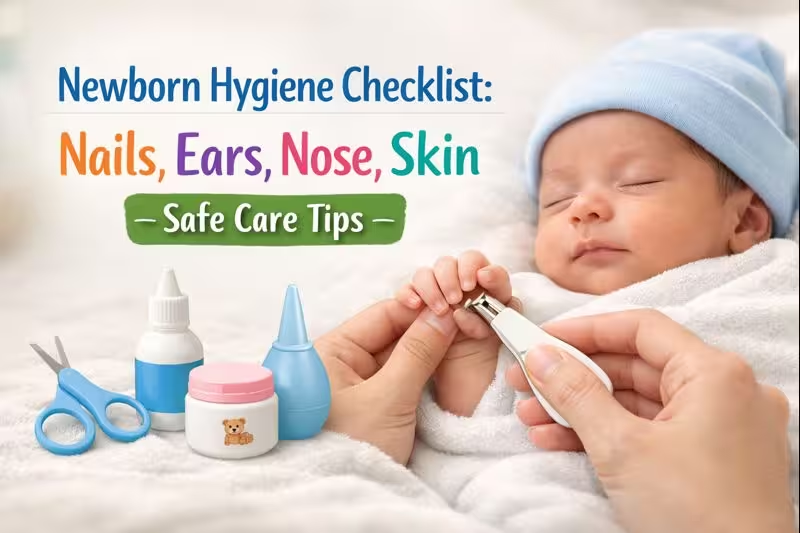
- Nail trimming: Usually once or twice a week (often more for fingernails).
- Cradle cap care (if present): Gentle scalp routine.
Before You Start: The Safe Newborn Hygiene Kit
You don’t need many products—just safe basics:
- Soft washcloths + cotton towel
- Mild, fragrance-free baby cleanser (optional; plain water is often enough early on)
- Baby nail file (emery board) and/or baby nail scissors/clippers
- Saline drops/spray (infant-safe) + bulb syringe or nasal aspirator
- Diaper cream (zinc oxide or petroleum-based barrier)
- Fragrance-free moisturizer (ointment/cream is usually better than lotion)
- Soft baby brush (for scalp)
Avoid: cotton swabs inside ears, “ear candles,” powders (talc), strong antiseptics, fragranced adult soaps, essential oils on newborn skin, and home remedies put inside the nose/ears.
1 Newborn Nail Care
How often should newborn nails be trimmed?
Most newborns need fingernail care 1–2 times per week, sometimes more because nails grow fast and can be sharp. Toenails usually need trimming less often.
Real-world tip
If your baby keeps scratching their face, it usually means nails are sharp—not that you’re doing anything wrong.
How to cut newborn nails safely
Best timing: after a bath (nails soften) or when baby is sleepy and calm.
- Wash your hands and choose a bright, calm spot.
- Hold baby’s hand firmly (a gentle “hug hold” helps).
- Press the fingertip pad slightly away from the nail to protect the skin.
- Trim straight across the nail; for tiny corners, make very small snips.
- File rough edges with a baby nail file.
File vs clip—what’s safer?
- File: Often easiest in the first weeks (less risk of nicks).
- Baby clippers/scissors: Fine once you’re confident—use rounded-tip baby scissors or baby clippers.
What if I accidentally cut the skin?
This happens to many parents.
- Apply gentle pressure with clean gauze for a few minutes.
- If needed, rinse with clean water.
- Avoid harsh antiseptics unless your pediatrician recommends them.
Call your pediatrician if
- Bleeding doesn’t stop after 10 minutes of gentle pressure.
- Redness spreads, there’s pus, warmth, or increasing swelling.
Longtail keyword: “Newborn ingrown nail—what to do?”
True ingrown nails are less common in newborns, but toes can look curved.
Do:
- Keep nails short and straight.
- Keep feet clean and dry.
Don’t:
- Dig into corners or try to “lift” the nail with tools.
Get medical advice urgently if there’s significant redness, swelling, drainage, fever, or your baby seems in pain.
2 Newborn Ear Care
Should you clean inside a newborn’s ears?
No. The ear canal is self-cleaning. Earwax helps protect the ear.
Safe ear-cleaning routine
- During bath time, use a soft, damp washcloth to wipe only the outside of the ear and behind the ear.
- Dry gently—especially behind the ears where moisture can hide.
Is it safe to use cotton buds/Q-tips in a baby’s ear?
No. They can push wax deeper and can injure the ear canal or eardrum.
My newborn has earwax—should I remove it?”
Usually, no removal is needed unless your baby has symptoms.
Contact your pediatrician if you notice
- Ear discharge (yellow/green fluid or blood)
- Strong odor, redness, swelling
- Baby seems unusually uncomfortable when you touch the ear
- Fever, poor feeding, or persistent crying
3 Newborn Nose Care
How to clean a newborn’s nose safely
Most days, you only need to wipe the outside of the nostrils with a soft cloth.
When is saline + suction helpful?
Use it when congestion:
- Makes feeding difficult
- Disrupts sleep
- Causes noisy breathing that doesn’t improve with simple comfort measures
How to use saline drops and a bulb syringe
- Lay baby on their back with the head slightly turned.
- Put 1–2 drops of saline in one nostril.
- Wait 30–60 seconds.
- Squeeze the bulb first, then place the tip gently at the nostril opening.
- Release slowly to suction.
- Repeat on the other side.
- Wash the bulb/aspirator with warm soapy water and let it dry.
Real-world safety tips
- Be gentle—over-suctioning can irritate the nasal lining.
- Many families suction before feeds to help baby drink comfortably.
- Don’t suction right after a big feed if your baby tends to spit up.
Longtail keyword: “Can I put breastmilk, oil, or herbal drops in my newborn’s nose?”
It’s common to hear these suggestions, but the safest standard approach is plain saline designed for infants. Putting oils or homemade drops can irritate delicate tissues or increase choking risk.
When a stuffy nose is NOT normal (seek help)
Get urgent medical care if you see:
- Fast breathing, chest retractions, nasal flaring
- Blue/gray lips or face
- Poor feeding or fewer wet diapers
- Fever (follow newborn fever guidance from your pediatrician)
4 Newborn Skin Care
Newborn skin is thin and easily irritated. “Gentle and simple” works best.
How often should you bathe a newborn?
Many babies do well with 2–3 baths per week at first, with extra cleaning of diaper area and skin folds as needed.
Sponge bath vs tub bath
- Before the umbilical cord stump falls off: many parents prefer sponge baths.
- After the stump is healed: tub baths are fine.
Best newborn bath routine
- Keep the room warm.
- Gather everything first (never leave baby unattended).
- Use lukewarm water.
- Clean in this order:
- Face (water only)
- Neck folds
- Hands and underarms
- Diaper area last
- Pat dry—don’t rub.
- Moisturize if skin is dry.
What soap or cleanser should I use?
- Choose mild, fragrance-free products.
- Avoid strong perfumes and antibacterial soaps.
Newborn peeling skin—normal or not?
Mild peeling and dryness are common in the first days/weeks.
What helps:
- Short baths
- Gentle pat-drying
- Fragrance-free ointment/cream on dry patches
Call your pediatrician if
- Cracks are bleeding
- Skin looks infected (oozing, spreading redness)
- Rash comes with fever or your baby seems unwell
Diaper area care (preventing diaper rash)
The everyday routine
- Clean with warm water + soft cloth or alcohol-free, fragrance-free wipes.
- Pat dry.
- Apply a thin layer of barrier cream if redness starts.
Common diaper rash triggers
- Frequent stools
- Trapped moisture
- Friction
- New wipes/diapers/detergents
When diaper rash needs medical attention
- Bright red rash with tiny bumps that spreads (possible yeast)
- Open sores, blisters, or pus
- Rash lasting more than 2–3 days despite gentle care
Skin folds: neck, armpits, groin
Milk dribbles and sweat can collect in folds.
Quick fold-check daily:
- Wipe gently with damp cloth.
- Dry carefully.
- If irritated, keep the area clean and dry; ask your pediatrician before using medicated creams.
Cradle cap (scalp flakes) — gentle care
Cradle cap is common and usually harmless.
What to do:
- Massage a small amount of baby-safe emollient onto the scalp.
- Use a soft brush to loosen flakes.
- Wash with a mild baby shampoo.
Don’t:
- Pick flakes forcefully (can cause irritation or infection).
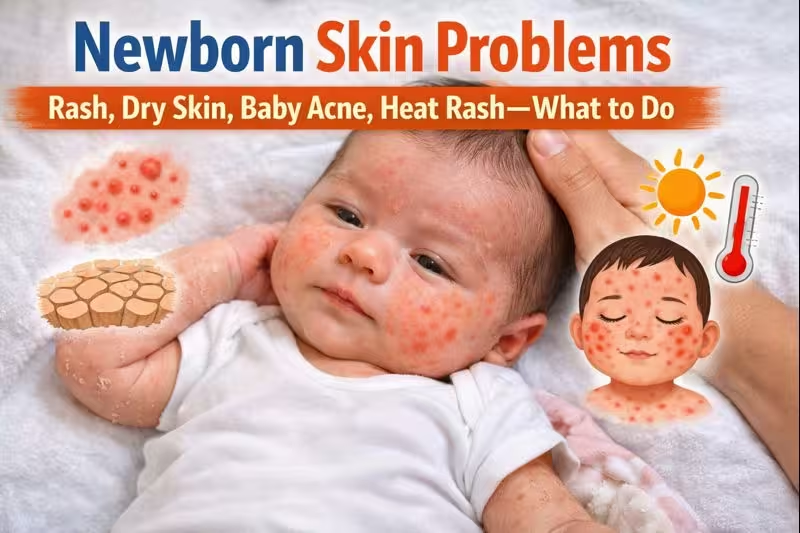
Baby acne, heat rash, and other common newborn rashes
Many newborn rashes look scary but are benign.
General rule
If your baby is feeding well, has normal temperature, and seems comfortable, a mild rash often improves with simple skincare.
Get medical advice if
- Rash is purple/bruised-looking
- Blisters appear
- Rash is spreading rapidly
- Baby has fever, lethargy, or poor feeding
Myths vs Reality
Myth 1: “Cotton buds are needed to clean baby’s ears.”
Reality: The ear canal is self-cleaning. Cotton buds can push wax deeper and cause injury.
Myth 2: “Put oil/ghee/herbal drops inside the nose to clear congestion.”
Reality: The safest standard method is infant saline drops and gentle suction only when needed.
Myth 3: “Daily full baths keep baby healthier.”
Reality: Too many baths can dry newborn skin. Many babies do well with 2–3 baths per week plus daily spot-cleaning.
Myth 4: “Powder prevents diaper rash.”
Reality: Powders can irritate lungs if inhaled and may clump in moist skin folds. Barrier creams and dryness work better.
Myth 5: “Peeling skin means baby is dehydrated.”
Reality: Mild peeling is common after birth. Hydration is assessed by feeding, alertness, and diaper output—not peeling alone.
When to Call the Pediatrician
Contact your pediatrician urgently if your newborn has:
- Fever per newborn guidelines, or seems unusually sleepy/unwell
- Trouble breathing, blue lips/face
- Poor feeding or significantly fewer wet diapers
- Spreading redness, pus, or warmth on skin (possible infection)
- Ear discharge or bleeding
- Severe diaper rash with open sores
One-Minute Routine for Busy Parents
If you’re tired (you are!), focus on the essentials:
- Diaper area: clean + dry + barrier cream if needed.
- Folds: quick wipe + dry.
- Nose: saline + gentle suction only if feeding/sleep is affected.
- Nails: file rough edges when you notice scratches.
Consistency matters more than perfection.
Newborn Crying – 10 Common Reasons and How to Calm a Baby
FAQs
How do I clean newborn ears after oil massage?
Wipe only the outer ear with a damp cloth. Avoid putting anything in the ear canal.
Can I use adult moisturizer or coconut oil on newborn skin?
Some families use simple oils, but many newborns do best with fragrance-free, baby-formulated moisturizers. If you choose an oil, use a small amount and stop if redness appears.
How do I prevent my baby from scratching their face?
Keep nails short/filed and consider mittens temporarily—just remove them regularly for hand movement and bonding.
Is it okay to suction the nose every day?
Only when needed. Over-suctioning can irritate the nose. Use gentle saline and suction when congestion affects feeding or sleep.
Final Thought
Newborn hygiene is mostly about gentle routines, avoiding risky tools, and spotting early warning signs. If you’re ever unsure, take a photo of the concern (rash, redness, nail swelling) and ask your pediatrician—early reassurance is part of good care.
References
These reputable sources were used to guide the hygiene tips in this article:
- American Academy of Pediatrics (HealthyChildren.org) – Nailing It: How to Trim Your Baby’s Fingernails
- American Academy of Pediatrics (HealthyChildren.org) – Nail Care: Fingers and Toes
- American Academy of Pediatrics (HealthyChildren.org) – Earwax Buildup (Why not to use cotton swabs)
- HealthyChildren.org – My baby has a stuffy nose. How can I help them sleep safely? (saline + suction guidance)
- HealthyChildren.org – Bathing & Skin Care (how often baby needs bathing)
- HealthyChildren.org – Common Diaper Rashes & Treatments
- HealthyChildren.org – How to Choose Safer Personal Care Products (includes baby powder caution)
- Johns Hopkins Medicine – Using Cotton Swabs in Children’s Ears (why “don’t”)
- Nationwide Children’s Hospital – Suctioning the Nose with a Bulb Syringe (step-by-step)