
Key Takeaways
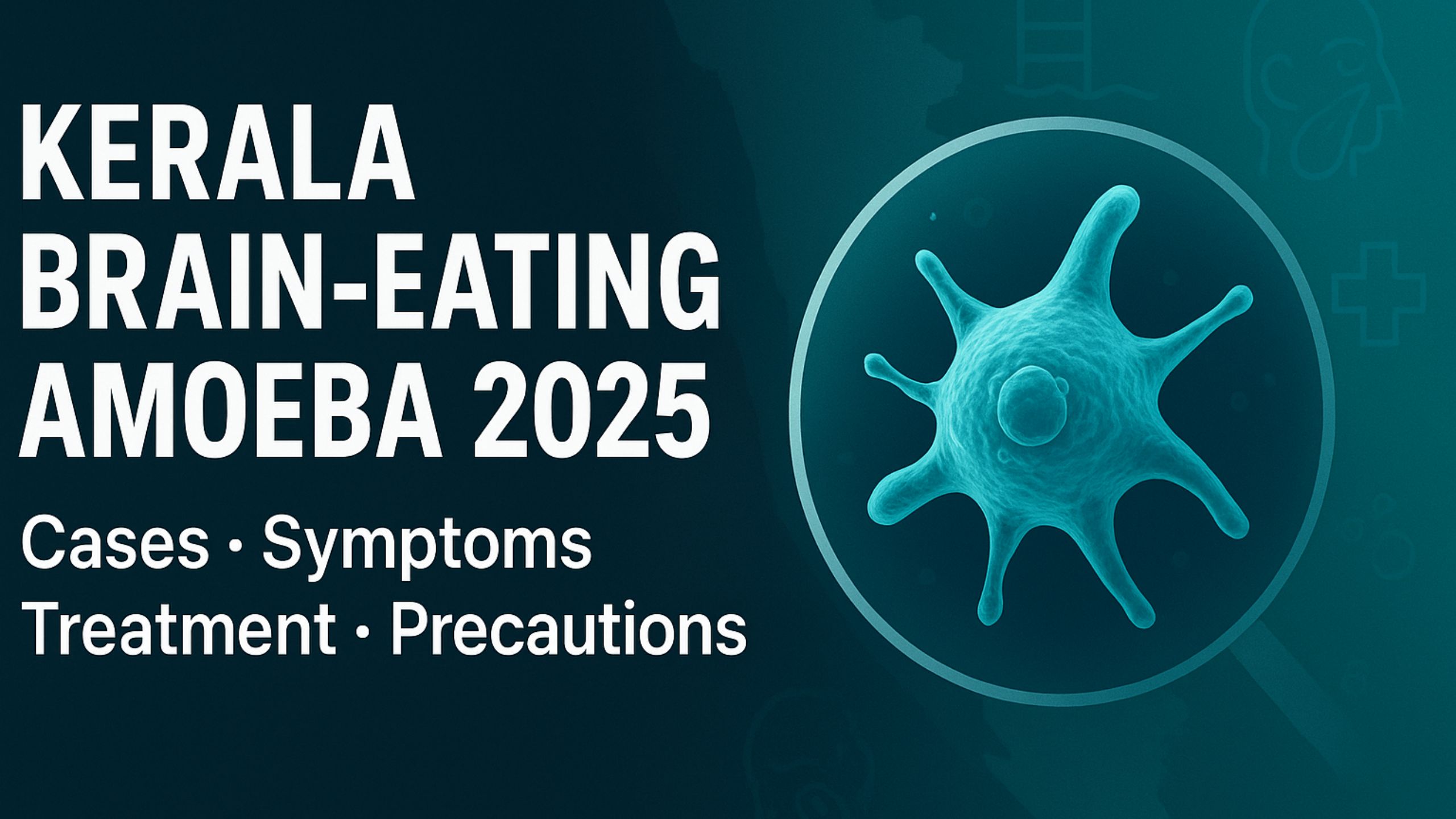
- Kerala has reported a sharp rise in cases of primary amoebic meningoencephalitis (PAM) in 2025, popularly referred to as the “brain‑eating amoeba” infection caused by Naegleria fowleri.
- As of mid‑September 2025, state officials have publicly cited around 69 confirmed cases and 19 deaths this year. Figures may vary slightly across outlets; we use the most recent official briefings available at the time of writing.
- The amoeba enters through the nose when water is forced upward—typically during swimming, diving, or bathing in warm freshwater or poorly disinfected pools. Drinking water is not the route of infection.
- Early symptoms can appear within 1–12 days and progress rapidly. Immediate medical care is critical if severe headache, fever, nausea/vomiting, stiff neck, confusion, or seizures occur after recent freshwater exposure.
Situation in Kerala: What We Know So Far (September 2025)
Kerala health authorities and multiple national/international outlets have reported an unusual spike in PAM since the start of 2025. By 18–19 September 2025, the health minister’s briefings referenced approximately 69 laboratory‑confirmed cases statewide for the year, with at least 19 fatalities. Recent weeks (August–September) saw the most intense reporting, including deaths in Kozhikode, and cases across multiple districts.
Officials have advised the public to follow strict freshwater safety practices, particularly during the monsoon and post‑monsoon months when water temperatures and environmental conditions can favor amoeba growth in standing or slow‑moving freshwater. Authorities continue surveillance, public advisories, and clinical guidance to hospitals on early suspicion and aggressive management.
Read Also: Heart Attack vs Stroke: Major Causes and How to Prevent Them
What Is Naegleria fowleri and What Is PAM?
Naegleria fowleri is a free‑living amoeba found in warm freshwater (lakes, ponds, rivers, hot springs) and soil. When contaminated water shoots up the nose, the amoeba can travel to the brain via the olfactory nerve, causing primary amoebic meningoencephalitis (PAM)—a rare but often fatal infection characterized by severe inflammation of the brain and surrounding tissues.
Importantly, PAM does not spread from person to person. It is also not acquired by drinking contaminated water. The key risk is water entering the nose.
How Infection Happens: Routes and Risk Settings
- Freshwater exposure: Swimming, diving, or submerging the head in warm freshwater (ponds, lakes, quarries, slow‑moving rivers) where the amoeba may be present.
- Poorly disinfected pools or water parks: Inadequate chlorination and improper pH can allow amoebae to survive.
- Nasal rinsing (neti pot) or ritual ablutions: Using non‑sterile tap water for nasal cleansing can pose a risk. Only sterile, distilled, or previously boiled and cooled water should be used.
- Soil‑disturbing activities in shallow, warm water: Stirring up sediment can increase exposure.
Sea water (high salinity) is generally not a risk environment for Naegleria fowleri. Nevertheless, any activity that forces water up the nose should be approached with caution.
Symptoms: What to Watch For and When to Seek Care
PAM’s early signs resemble common infections but escalate quickly. Symptoms often start 1–12 days after exposure and can progress over hours to a few days. Seek urgent medical attention if any of the following occur after recent freshwater exposure:
Early
- Severe, sudden headache
- Fever and chills
- Nausea and vomiting
- Stiff neck
Progressive
- Sensitivity to light
- Confusion or behavioral changes
- Loss of balance
- Seizures
- Coma
Because PAM progresses rapidly, time to treatment is critical. Inform clinicians about any recent freshwater exposure or nasal rinsing with non‑sterile water, which can help trigger early diagnostic suspicion.
Diagnosis and Treatment: What Hospitals Are Doing
Diagnosis: Clinicians may evaluate cerebrospinal fluid (CSF) obtained via lumbar puncture. Microscopy, antigen tests, PCR, and specialist lab input can aid detection. Imaging (CT/MRI) may show brain inflammation but is not specific to PAM. Early clinical suspicion based on exposure history often prompts empiric treatment while tests are pending.
Treatment: There is no single guaranteed cure, but reported survivor regimens typically involve aggressive, multi‑drug therapy and intensive neurocritical care. Protocols may include combinations of:
- Amphotericin B (intravenous and/or intrathecal in selected cases)
- Miltefosine (oral), used under emergency/compassionate protocols in many reported survivals
- Azithromycin or clarithromycin
- Fluconazole or voriconazole
- Rifampin
- Dexamethasone and other measures to control cerebral edema
Outcomes depend on very early recognition and rapid initiation of therapy. Globally, survival remains rare, which is why prevention and exposure reduction are emphasized by public health agencies.
Who Is at Higher Risk?
- Children and adolescents who spend time swimming or playing in warm freshwater during holidays or weekends.
- People who dive, jump, or submerge their heads in warm freshwater or poorly disinfected pools.
- Individuals who practice nasal irrigation with water that is not sterile, distilled, or boiled-then-cooled.
- Anyone engaging in water activities in shallow, warm, still, or sediment‑rich freshwater where the amoeba is more likely to be present.
Risk is tied to exposure behavior rather than age alone; adults can be affected as well. Cases this year in Kerala have ranged from infants to older adults.
Practical Precautions for Families in Kerala
In freshwater settings
- Avoid or limit swimming, diving, or submerging your head in warm freshwater (lakes, ponds, rivers, quarries), especially after rainfall when water may be warmer or turbid.
- If you still choose to enter freshwater, keep your head above water and use a nose clip. Avoid jumping, diving, or submerging the face.
- Do not stir up sediment in shallow areas.
At home and in pools
- Prefer well‑maintained, properly disinfected pools and pay attention to posted chlorine and pH maintenance notices. If a pool looks cloudy or poorly maintained, do not enter.
- Supervise children to ensure they do not squirt water up the nose using hoses or play sprinklers.
For nasal rinsing (neti pot, jal neti, ablutions)
- Use distilled, sterile, or previously boiled and cooled water only.
- Clean and air‑dry devices after each use as per manufacturer instructions.
- Do not use untreated tap or well water for nasal cleansing.
If symptoms occur
- If you or your child develops severe headache, fever, neck stiffness, vomiting, or confusion after freshwater exposure or nasal rinsing, seek emergency care and mention possible Naegleria exposure to clinicians.
FAQs: Common Questions Answered
Is this contagious from person to person? No. PAM does not spread between people. The concern is water entering the nose.
Can I get infected by drinking water? Unlikely. The risk arises when contaminated water goes up the nose. Swallowed water does not lead to PAM.
Are the ocean and chlorinated pools safe? Saltwater is generally not a habitat for Naegleria fowleri. Properly maintained, chlorinated pools are considered lower risk, but maintenance standards must be followed. If in doubt, avoid submerging your head.
Is nasal rinsing safe? Yes—if you use distilled/sterile or boiled‑then‑cooled water and clean the device properly. Using untreated tap water is unsafe.
Why are cases rising now? Environmental factors (warm temperatures, stagnant freshwater, more recreational exposure) can increase risk. Increased testing and awareness may also push case detection higher.
What is the fatality rate? Internationally reported survival remains rare. Outcomes improve when diagnosis and multi‑drug therapy begin very early, which underscores prevention and rapid care‑seeking.
Timeline: Kerala 2025 at a Glance
- January–July 2025: Sporadic cases reported; health facilities keep standard advisories in place for freshwater exposure and nasal rinsing.
- August–September 2025: A surge in reported cases and fatalities triggers state‑wide alerts. Reports include pediatric and adult deaths; hospitals intensify triage protocols for suspected PAM presenting with fever, severe headache, and meningitis‑like signs after freshwater exposure.
- Mid‑September 2025: Health minister’s updates cite approximately 69 cases and 19 deaths for 2025. Public advisories emphasize avoiding submersion in warm freshwater, using nose clips, and employing sterile water for nasal cleansing.
This timeline will be refined as more official details are released.
Government and Hospital Response
- Public advisories: Guidance to avoid warm freshwater head‑submersion, reduce sediment‑stirring, and practice safe nasal rinsing.
- Clinical preparedness: Hospitals have circulated diagnostic and treatment reminders for suspected PAM, including early lumbar puncture, CSF testing, and rapid initiation of combination therapy when clinically indicated.
- Community messaging: Emphasis on prevention in schools, recreational areas, and community groups; awareness that PAM is rare but severe and demands immediate care on symptom onset.
Bottom Line
Kerala’s 2025 surge in Naegleria fowleri infections is a public‑health cautionary tale: the disease is rare but often fatal, and small behavior changes can sharply reduce risk. Avoid forcing freshwater up the nose, prefer well‑maintained pools over ponds, and use only sterile or boiled‑then‑cooled water for nasal rinsing. If concerning symptoms appear after freshwater exposure, seek urgent care immediately and alert clinicians about potential amoebic exposure. Vigilance—especially through the monsoon and post‑monsoon months—remains the most effective protection for families across the state.
Read Also: Navratri 2025 Kanjak Pujan: Why Nine Girls Are Fed—Meaning, Method, and Scriptural Basis